

It’s often assumed that once an offshore wind farm is built, there’s nothing more to do until it is decommissioned in 20 or 30 years time. In realty, this is far from the truth! Wind turbines, especially those in the harsh sea environment, are actually incredibly sensitive machines and require constant maintenance and inspections. Here we explore some of the costs involved in running a successful wind farm that will often be tens of millions of pounds every year.


- Operations and Maintenance (O&M) base – every wind farm will have an O&M building where staff work from. Usually this is located in the closest port to the wind farm giving quick and easy access for vessels to get to the turbines.
- Staffing costs – for wind farms with 100 turbines, these O&M bases may have upwards of 60+ staff working full time, consisting of technicians, workshop/stores staff, marine coordinators, control room personnel, production managers, finance managers, special project teams and a general/area manager.
- Major component exchanges – one of the largest expenses to running a wind farm are changing major components such as a turbine generator, gearbox, transformer or a blade. Some O&M bases will hold spares of these directly on site, especially if there are signs of wear or failure. Often these parts will cost hundreds of thousands of pounds each, require weeks of planning to exchange and always involve the costly chartering of specialist vessels to assist, such as jack up barges with heavy lift cranes.
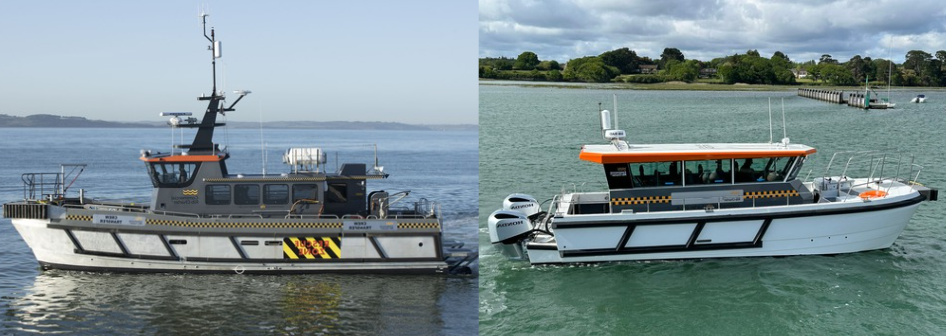
- General purpose vessels – each wind farm will often have at least one full time crew transfer vessel on charter and the biggest sites could have 4-5 working 365 days a year. These vessels will take technicians out every day of the year (weather permitting) to carry out regular servicing and responding quickly to faults. At larger sites which are further offshore, service operations vessels (SOVs, basically small ships) carry out these duties instead of CTVs.
- Specialist campaigns – wind farms will often charter extra vessels and carry out more in-depth ‘seasonal campaigns’ during the summer when weather conditions are better. This could include using external contractors for detailed blade inspections, high voltage cable checks, welding repairs, surveying export cables and scour pools around the turbines, or statutory checks on lifting and safety equipment.
- Training courses – finally, all staff (especially the technicians) will take part in frequent training courses throughout the year to keep their skills and abilities in check. There are specialist offshore wind industry training courses available that teach technicians how to respond in an emergency when they are offshore and medical assistance could be some time away. These courses are similar but more in-depth versions of the STCW seafarer training qualifications all our masters and crew must have at CRC.
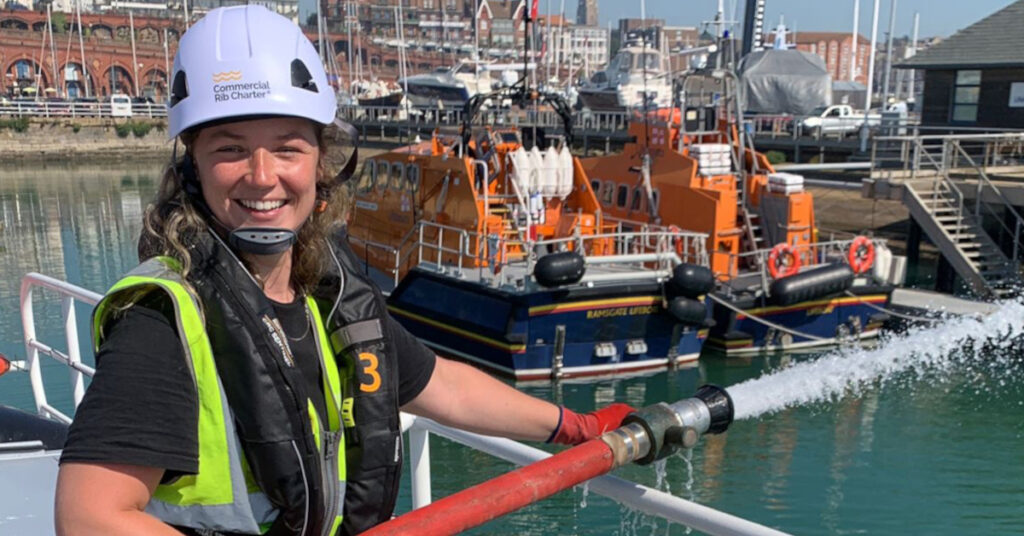
Here at CRC we have a vast experience at assisting with all of the above roles on a wind farm and have vessels all year round that can respond quickly to urgent demands. Many of our masters and crew are familiar with how wind farms are constructed and maintained, giving clients extra peace of mind.