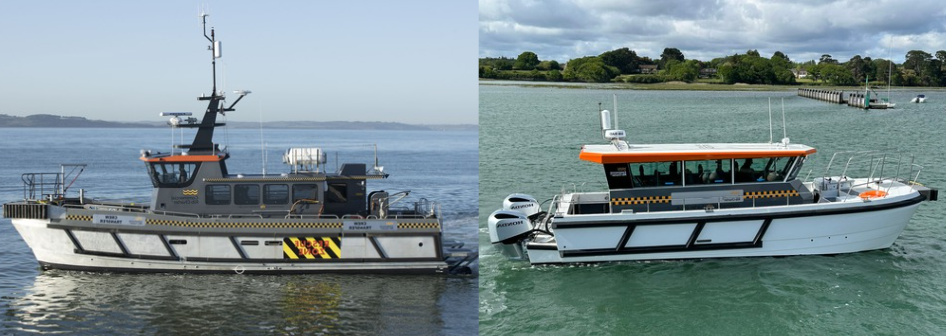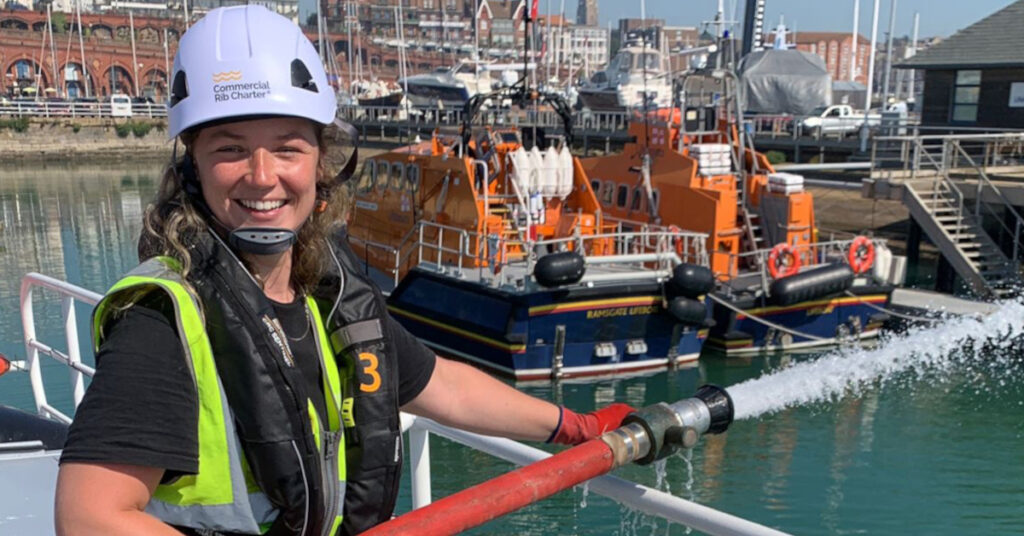


The commercial marine industry offers a unique and rewarding career path for those looking to work on the water. From supporting offshore energy projects to assisting with marine construction and events, workboats play a vital role across a wide range of sectors. For new seafarers looking to enter the industry, understanding what’s required, both in terms of qualifications and personal attributes, is the first step towards building a successful career.
What does a commercial workboat crew member do?
Working as crew on a commercial workboat is varied and often fast-paced. No two days are the same.
Typical responsibilities can include:
- Assisting with vessel operations and deck work
- Supporting marine construction or survey teams
- Handling lines and equipment
- Acting as a lookout and maintaining safety onboard
- Assisting with loading, unloading and transfers
As experience grows, crew members can progress into skipper positions, taking full responsibility for the vessel and its operations.
Essential qualifications to get started
To work legally and safely on commercial vessels in the UK, there are a number of core qualifications most operators will expect as a minimum.
STCW Basic Safety Training (Mandatory)
For anyone working on commercial vessels, STCW Basic Safety Training is widely regarded as a fundamental requirement.
STCW (Standards of Training, Certification and Watchkeeping) is an internationally recognised set of safety standards for seafarers.
The basic training package includes:
- Personal Survival Techniques (sea survival)
- Fire Prevention and Fire Fighting
- Elementary First Aid
- Personal Safety and Social Responsibilities
These courses ensure that all crew members can respond effectively in emergency situations and operate safely at sea. Many commercial operators will require STCW certification before allowing crew to work onboard, particularly on larger or offshore projects.
RYA Powerboat level 2 (PB2)
This is typically the entry-level qualification for anyone operating small commercial vessels. It provides the foundation for boat handling, safety awareness and basic navigation.
Commercial endorsement
A PB2 on its own is not enough for commercial work — it must be commercially endorsed. This requires:
- A valid medical (such as an ML5 or ENG1)
- A basic sea survival course
- A professional practices and responsibilities course
First aid certification
A valid first aid certificate is essential. Many operators require a marine-specific course such as RYA First Aid or the STCW Elementary First Aid.
VHF radio licence (SRC)
Understanding how to communicate effectively at sea is critical. The Short Range Certificate (SRC) covers correct radio procedures and emergency communications.
Progressing to skipper level
Becoming a skipper involves more than just time on the water – it requires a combination of experience, qualifications and judgement.
Common next steps include:
- RYA Intermediate and Advanced Powerboat Courses
- RYA Coastal Skipper / Yachtmaster (for higher-level roles)
- Building logged sea time in a range of conditions
- Gaining experience across different types of operations
For many, progression comes naturally through time spent working as crew, learning from experienced skippers and gradually taking on more responsibility.
Skills that matter on the water
Qualifications will get you through the door, but it’s your practical skills that will determine how far you go.
Key skills include:
- Strong situational awareness
- Confidence in handling boats in varying conditions
- Good communication and teamwork
- Problem-solving under pressure
- A solid understanding of safety procedures
Reliability and consistency are particularly valued – operators need to know their crew can perform in all conditions, often in demanding environments.
The right attitude and personality
The commercial marine environment is not for everyone. It requires a certain mindset.
Successful crew members tend to be:
- Hardworking and hands-on
- Calm under pressure
- Willing to learn and take instruction
- Flexible with working hours and locations
- Professional when dealing with clients and other contractors
A positive attitude goes a long way. Many of the best opportunities in the industry come from reputation and word of mouth.
Gaining experience
Breaking into the industry can sometimes be the hardest part, but there are a few common routes:
- Starting as deck crew or shore support
- Working on events, safety boat operations or harbour work
- Gaining experience with smaller operators before moving into larger projects
Being proactive is key. Reaching out to operators, being available, and showing willingness to get involved can open doors quickly.
A career that builds over time
A career in the commercial workboat industry isn’t built overnight. It’s developed through experience, consistency and a willingness to learn.
For those who commit to it, the rewards are significant. Varied work, time on the water, and the opportunity to be part of major marine projects across the UK and beyond.
At Commercial Rib Charter, we work with experienced crew and skippers across a wide range of sectors. If you’re starting out in the industry, investing in the right qualifications and developing a strong work ethic will put you on the right path.
Useful links:
STCW Basic Safety Training course https://fireaid.com/academy-items/stcw-basic-safety-training/
Powerboat training https://www.powerboat-training-uk.co.uk/course_type/powerboat/
Workboat deckhand training https://uksa.org/course/workboat-deckhand-training-course/