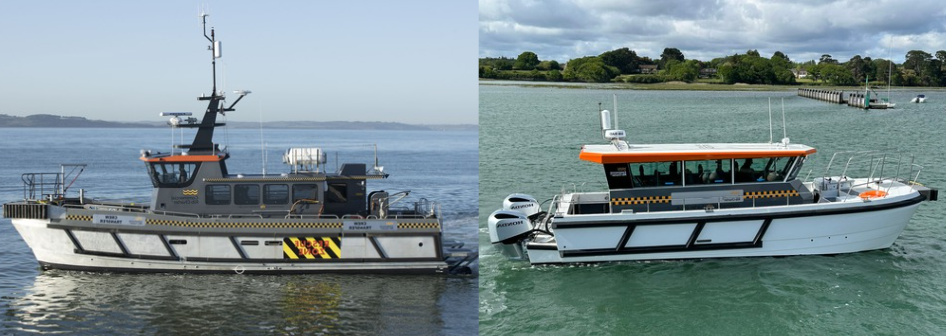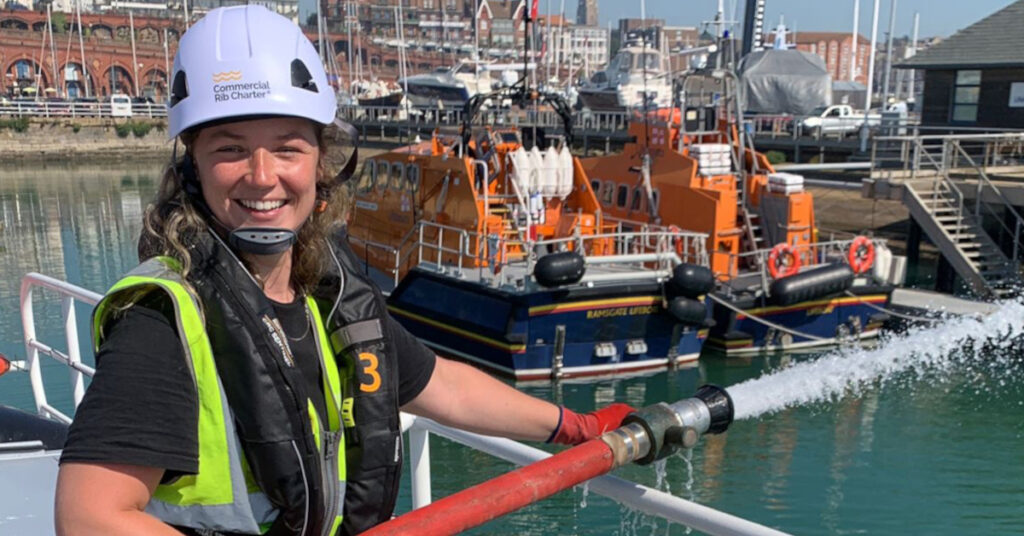


A site visit is exactly what it says on the tin, visiting a location which is new to you, in order to gain information at a site which you are hoping to offer your services from. For us at Commercial Rib Charter, these are invaluable.
Before any vessel from our fleet is mobilised for a project, we would carry out a site visit. Parts of the site visit can be completed back at our base using online tools, whilst the majority are best achieved by physically being there. A few examples might be;
- Building relationships with new suppliers is at the top of our agenda
- Finding the nearest refueling facilities with 24/7 access, creating an account with the fuel supplier
- Introducing ourselves to any local service engineers which could support us for the duration of the project
- Finding the most local hoist bay to our work site, to aid mobilising the vessel

Ensuring we carry out a thorough site visit means we capture any new information with regards to VHF procedures that may of changed since our last visit.
One tool which is incredibly useful, is having a pool of skippers and crew based all over the UK. Tapping into their local knowledge has worked very well for in the past, and often an entire site visit can be completed without the ops team needing to leave the office!
By looking at the map below, it’s safe to say crewing wise, we have the UK covered…

Another task which has proved itself time and time over, is searching for the latest NTMs, (Notice To Mariners). This highlights any recent changes in or around the vicinity of the port which may affect the safe operation for any visiting vessels. Simply head to the port’s website and there you will find all the published local NTMs in date order. A local example below shows how valuable these can be.

When we are mobilising one of our smaller Open Ribs, a fantastic website called ‘BoatLaunch.co.uk’ helps us find the most suitable slipway locally to our work site. It lists all the slipways in the UK which the public can use and provides local knowledge such as any tidal restrictions, access restrictions after hours, any permission that is required to use the slipway and most importantly, photos which previous slipway users have uploaded. The photos help us to establish whether the access allows for a total tow length of 15m.